Regional History
Our region is so rich in history and heritage, unlike the other parts of the state of Victoria which gained its wealth from Gold, the Geelong region worked the land to become one of the world’s biggest wool centre and large manufacturing base. Our seaside towns fought shipwrecks and hardship to become some of Australia’s [...]
European settlers first ran pastoral runs in Aireys Inlet as early as 1842 but it wasn’t until 1887 when the town was subdivided and slowly developed. Timber was the major industry with what is now the Otways being much sought after timber. …Read more
Up until 1884 Anglesea was known as Swampy Creek. The name Anglesea comes from the town of the Angleseay in Wales which is an island on the west coast of Great Britain directly across the Irish Chanel from Dublin. …Read more
Like much of the Great Ocean Road’s rugged coastline, Apollo Bay has no shortage of tragic ship wrecks. Some of the more memorable include the Casio which sank in the harbor in 1932. The US Cargo ship the City of Rayville also sank after hitting a mine off Cape Otway in 1940. …Read more
Many a fine vessel has succumb to the treacherous rocky outcrops in the shallows around the Bluff at Barwon Heads. The area is home to many shipwrecks and has taken many a fine seaman to a watery grave. …Read more
Colac has been built on forestry and farming. Still today both industries are important sources of jobs and income to the town and surrounding townships. Many small railways once operated to bring timber to Colac, today many of the cuttings still remain as bush trails. …Read more
The town of Drysdale was named after Miss Anne Drysdale who with Miss Caroline Newcomb owned several acres of land in the area, building a stone house named Coriyule in 1849, which still exists today some 160 years later. …Read more
Geelong’s early prosperity came from the sheep’s back. Later manufacturing became an important industry with Ford and International Harvester playing a major role. Today tourism and services are taking the town forward to new prosperity. …Read more
The townships of both Lara and Little River came into existence in the 1850s after the Melbourne - Geelong railway was established and the train made regular stops. …Read more
Originally called Louttit Bay, after a sea captain who transported wood from the area. The town was renamed Lorne after the Marquis of Lorne who married the daughter of Queen Victoria in 1870. …Read more
Melbourne has a rich history and it wasn’t before they pulled a few "shifties" during the gold rush that it grew faster than Geelong which was booming from the wool trade at the time. …Read more
Originally set up as by an off shoot of an USA Methodist Church, Ocean Grove has become the biggest town on the Bellarine Peninsula and is home to thousands who commute to the Geelong area for work every day. …Read more
The Otways became a major source of timber for the growing colony over 150 years ago. Today timber is still an important industry and much of it is harvested from pine plantations which dot the rolling hills. …Read more
The magnificent Point Lonsdale lighthouse, dates back to 1902 and is the town most prominent landmark. It’s beams radiate 30 kilometres out to sea and saved many vessels from dangerous reefs and the torturous rip over the years. …Read more
Portarlington was once a major shipping port before the channel was dredged at the entrance of Corio Bay. Fishing and farming and more recently tourism have played a very important role in the foundation of this lovely bayside township. …Read more
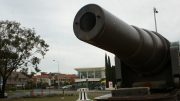
Queenscliff has been an important custodian of the entrance of the Port Phillip Heads with its fortress which was once one of the most heavily defended harbors in the entire British Empire. …Read more
The town of St Leonards took its name from a pastoral station that was in the area, which in turn, took its name from the town St Leonards in Sussex England. …Read more
Even 40 years ago Torquay was a quiet seaside town but today it is a thriving and rapidly growing beach resort with one of the world’s best surfing industries and best beaches right at its doorstop. …Read more
Named after Wallington in Hertfordshire, England. Wallington dates back to the 1850s when landholder, Fairfax Fenwick subdivided his property where Wallington now stands. …Read more
Thomas Chirnside a pastoralist once owned much of the land around Werribee and built the magnificent Italianate style Werribee Park Mansion between 1874 and 1877. …Read more
Williamstown has built its heritage around the sea, being on of Melbourne’s busiest ports. Many of the maritime village still exists today with some beautiful architecture and streetsaping complementing the area. …Read more
![]()
The Population of the City of Greater Geelong is around 205,000 people.